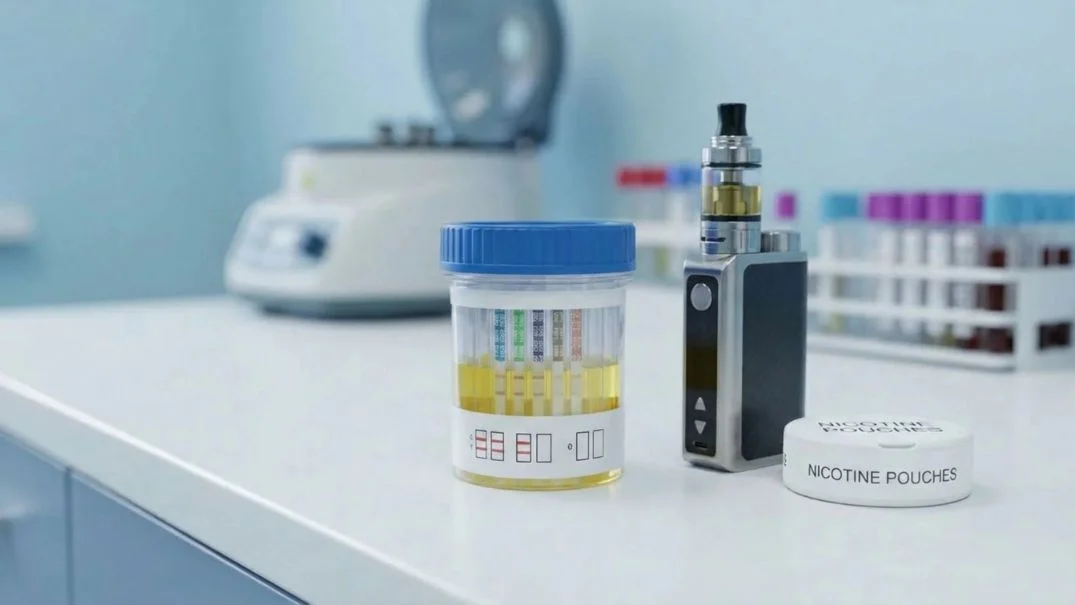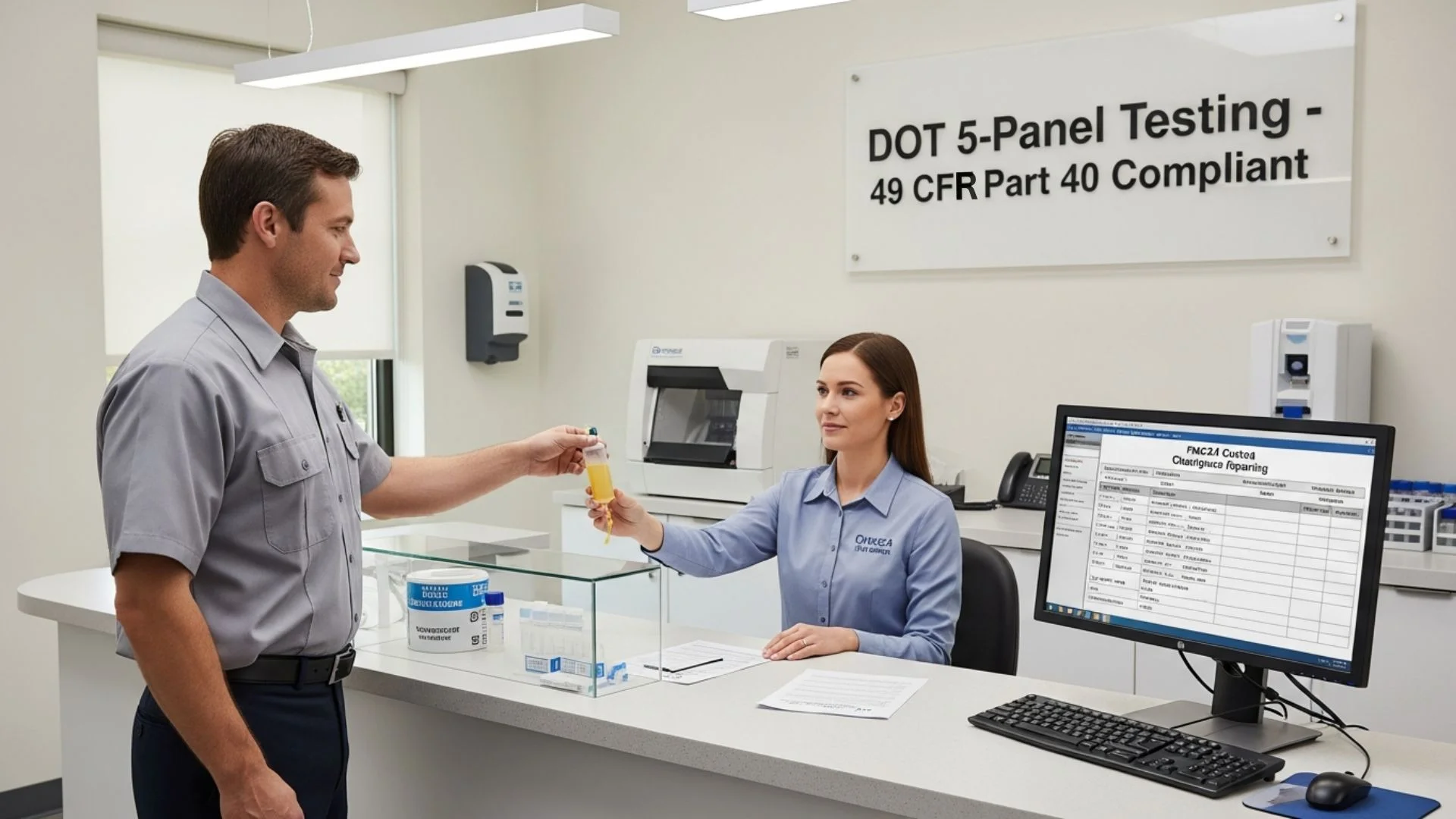

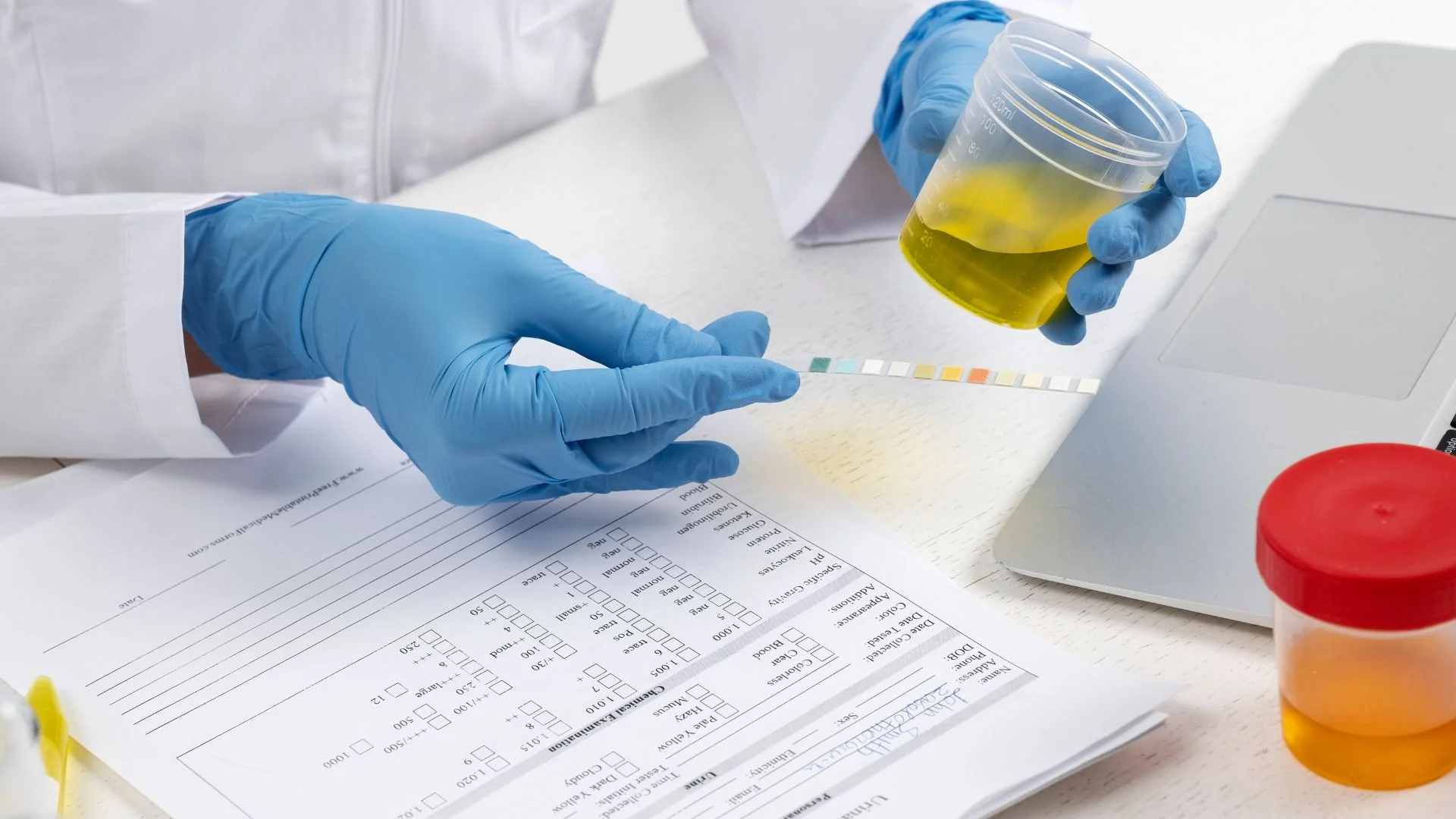
A 10-panel drug test is one of the most comprehensive and widely requested workplace drug screening options available to non-DOT employers. While the federally mandated DOT 5-panel urine drug test is fixed by regulation for safety-sensitive transportation employees, non-DOT employers have the flexibility to choose broader panels and the 10-panel is the most commonly selected expanded option.
This guide explains exactly what a 10-panel drug test screens for, how it differs from the 5-panel, what detection windows apply to each substance, when employers choose it, and what you need to know about specimen requirements and results.
What Is a 10-Panel Drug Test?
A 10-panel drug test screens for ten categories of drugs and their metabolites from a single specimen typically urine. It includes the five substances required by the DOT for federally regulated testing, plus five additional substance classes commonly misused in workplace settings.
The 10-panel is frequently used because it can detect prescription drug misuse that a standard 5-panel would miss particularly benzodiazepines (like Xanax and Valium), barbiturates, and methadone. It offers greater flexibility and coverage while still being cost-effective enough for routine pre-employment and random testing programs. Learn about the difference between DOT and non-DOT drug testing programs to understand which panel applies to your workforce.
5-Panel vs. 10-Panel Drug Test: Key Differences
The DOT 5-panel is federally mandated and fixed it screens for marijuana, cocaine, amphetamines, opioids, and PCP. No modifications are permitted for DOT-regulated employers.
The 10-panel adds five additional classes: benzodiazepines, barbiturates, methadone, methaqualone, and propoxyphene. This makes it suitable for employers who want to identify a broader range of prescription drug misuse beyond what the DOT panel covers. The 10-panel is a non-DOT test employers regulated by the FMCSA, FAA, FRA, FTA, or PHMSA must still use the mandated DOT 5-panel for their covered employees, even if they use a 10-panel for non-covered positions.

What Drugs Are in the 10-Panel Drug Test?
A standard 10-panel drug test detects the following substances and their metabolites:
1. Amphetamines
Stimulants that increase alertness, energy, and mood. Includes methamphetamine, amphetamine sulfate, MDMA (ecstasy), and prescription ADHD medications such as Adderall and Ritalin when used without a valid prescription. Urine detection window: 1–3 days for occasional use; up to 5 days for heavy use. Learn about what AMP means on a drug test.
2. Cannabis (THC)
The psychoactive compound in marijuana and hemp-derived products. Includes marijuana, hashish, and synthetic cannabinoids. Urine detection window: 3–7 days for occasional users; up to 30 days or longer for chronic heavy users due to THC's fat-soluble nature. Note that state legalization does not affect a positive test result for DOT-regulated employees or most workplace drug programs.
3. Cocaine
A powerful stimulant derived from the coca plant. Includes cocaine hydrochloride (snorted or injected) and crack cocaine (smoked). Tests detect the metabolite benzoylecgonine rather than cocaine itself. Urine detection window: 2–4 days for occasional use; up to 14 days for heavy chronic users. See our detailed cocaine drug test guide.
4. Opioids / Opiates
Both naturally derived opiates (codeine, morphine, heroin) and semi-synthetic prescription opioids (hydrocodone, oxycodone, hydromorphone, oxymorphone). Note that fentanyl is NOT included in a standard 10-panel test it requires a separate expanded assay due to its distinct chemical structure. Urine detection window: 1–3 days for most opioids; methadone up to 12 days. Learn about the difference between opioids and opiates and the expanded opioids drug test for broader opioid coverage.
5. Phencyclidine (PCP)
A hallucinogen that alters perception, mood, and consciousness. Also known as angel dust. PCP is also included in the standard DOT 5-panel. Urine detection window: 4–6 days for occasional use; up to 14 days for chronic use. See a full overview in our PCP drug test guide.
6. Benzodiazepines
Sedatives that act on GABA receptors in the brain, used to treat anxiety, panic attacks, insomnia, muscle spasms, and alcohol withdrawal. Includes lorazepam (Ativan), alprazolam (Xanax), diazepam (Valium), clonazepam (Klonopin), and chlordiazepoxide (Librium). Benzodiazepine misuse is one of the primary reasons employers choose a 10-panel over the standard 5-panel. Urine detection window: 3–7 days for short-acting benzodiazepines; up to 30 days for long-acting formulations with chronic use.
7. Barbiturates
Central nervous system depressants used to treat anxiety, insomnia, and seizures. Includes amobarbital, phenobarbital (Luminal), secobarbital (Seconal), and pentobarbital. While less commonly prescribed than in previous decades, barbiturate misuse remains a workplace safety concern. Urine detection window: 2–4 days for short-acting; up to 3 weeks for long-acting phenobarbital.
8. Methadone
A fully synthetic opioid used in medication-assisted treatment (MAT) for opioid use disorder and chronic pain management. Also known as Dolophine or Methadose. Standard opiate immunoassays do not detect methadone it requires a specific methadone assay, which is why it appears as a separate panel item. Urine detection window: 3–12 days — highly variable depending on dosage, metabolism, and urine pH.
9. Methaqualone (Quaaludes)
A sedative-hypnotic drug once used to treat anxiety and insomnia, most popular as a recreational drug in the 1960s and 1970s. Methaqualone is no longer legally manufactured or prescribed in the United States but still appears in illegal drug markets which is why it remains on the 10-panel. Also known as Quaaludes or ludes. Urine detection window: approximately 2 weeks for heavy use. Note: some laboratories have replaced methaqualone with oxycodone in their 10-panel configuration. Confirm the exact panel with your testing provider before ordering.
10. Propoxyphene
A synthetic opioid that was previously prescribed for mild to moderate pain under brand names Darvon and Darvocet. Propoxyphene was withdrawn from the U.S. market by the FDA in November 2010 after data showed it caused serious cardiac toxicity specifically dangerous heart rhythm abnormalities even at standard therapeutic doses. It is no longer legally manufactured, sold, or prescribed in the United States. It remains on the 10-panel because illicit propoxyphene still circulates in illegal drug markets. Urine detection window: 6–48 hours after last use.

2025–2026 Update: Fentanyl Testing
Fentanyl is not included in a standard 10-panel drug test. Its distinct chemical structure means it is not detected by the opioid immunoassay used in standard panels. However, the regulatory landscape is changing rapidly. In January 2025, SAMHSA published updated Mandatory Guidelines adding fentanyl and norfentanyl to authorized federal workplace drug testing panels, effective July 7, 2025. The DOT has also proposed adding fentanyl to its 5-panel in a 2025 NPRM, with a final rule expected in early 2026.
For non-DOT employers concerned about fentanyl particularly in healthcare, construction, and logistics an expanded opioids panel that specifically includes fentanyl is the appropriate solution. Confirm with your testing provider which panel configurations include fentanyl testing.
When Do Employers Use a 10-Panel Drug Test?
The 10-panel is the preferred choice in situations where prescription drug misuse is a specific concern or where a broader drug-free policy is desired. Common use cases include:
- Healthcare and pharmaceutical industries — where employees have access to controlled substances including benzodiazepines and barbiturates
- Law enforcement and government positions — where broader substance screening supports public trust and safety requirements
- Post-accident testing — when the cause of an incident may involve prescription medications not covered by the 5-panel
- Reasonable suspicion testing — when behavioral signs suggest potential sedative or prescription drug misuse
- Legal, probation, and court-ordered testing — where comprehensive substance monitoring is required
- Pre-employment for safety-sensitive non-DOT roles — construction, manufacturing, healthcare, and childcare positions where broader drug exposure is a risk
Employers should ensure their drug-free workplace policy specifies which panel is used and under what circumstances, and that supervisors are trained in reasonable suspicion testing procedures before ordering expanded panels.
Specimen Types for 10-Panel Testing
The most commonly used specimen for 10-panel drug tests is urine. It is non-invasive, cost-effective, and provides a reliable detection window for most substances. Additional specimen options include:
- Urine — the standard for most employment and compliance testing. A minimum of 30 mL is required; many labs require 45 mL when specimen validity testing (SVT) is included. Results typically available in 1 business day for negative results; 2–3 business days for confirmed positives after MRO review
- Hair follicle — extends the detection window to up to 90 days for all substances. Valuable for pre-employment screening where a longer drug use history is relevant. See hair drug testing services
- Oral fluid (saliva) — detects very recent use (24–72 hours). Useful for post-accident and reasonable suspicion testing where current impairment is the concern. Explore urine and alternative drug testing options
- Instant / point-of-collection testing — rapid results available in minutes. Non-negative results must be confirmed by a SAMHSA-certified laboratory before any employment action. See instant drug testing options
All non-negative results should be reviewed by a Medical Review Officer (MRO) before any employment decision is made this protects employees with valid prescriptions and ensures legally defensible results for employers. The MRO process also involves maintaining proper chain of custody documentation.
Lab-Based vs. Instant 10-Panel Testing
Both lab-based and instant 10-panel tests screen the same ten substance classes. The key difference is how results are produced and verified:
- Lab-based testing — samples sent to a SAMHSA-certified laboratory for analysis. Confirmatory GC-MS testing on non-negatives, MRO review, and full chain of custody documentation. Best for pre-employment, random, and compliance testing where results must be legally defensible
- Instant testing — results in minutes at the collection site. Non-negative results are presumptive and require lab confirmation before any action is taken. Best for post-accident and reasonable suspicion testing where speed matters and confirmation will follow
Understand the full comparison between lab-based tests vs. rapid drug tests to choose the right approach for each testing scenario.
Frequently Asked Questions (FAQs)
1. What is the difference between a 5-panel and a 10-panel drug test?
The DOT 5-panel is federally mandated for safety-sensitive transportation employees and screens for marijuana, cocaine, amphetamines, opioids, and PCP. The 10-panel adds benzodiazepines, barbiturates, methadone, methaqualone, and propoxyphene. The 10-panel is a non-DOT option used by employers who want broader prescription drug detection.
2. Does a 10-panel drug test detect fentanyl?
No not in a standard configuration. Fentanyl's distinct chemical structure is not detected by standard opioid immunoassays. A specific fentanyl assay must be added separately. For fentanyl detection, ask your testing provider about adding a specific fentanyl assay to your panel.
3. Is propoxyphene still prescribed? Why is it on the 10-panel?
No. Propoxyphene (Darvon/Darvocet) was permanently withdrawn from the U.S. market by the FDA in November 2010 due to serious cardiac side effects. It is no longer legally manufactured or prescribed. It remains on the 10-panel because it still circulates in illegal drug markets. Some labs have replaced it with oxycodone confirm the exact configuration with your provider.
4. How much urine is needed for a 10-panel drug test?
A minimum of 30 mL is required, but many laboratories need 45 mL when specimen validity testing (SVT) is included alongside the drug panel. SVT checks for dilution, adulteration, or substitution of the sample.
5. Who should use a 10-panel drug test instead of a 5-panel?
Employers in healthcare, law enforcement, government, and other settings where access to prescription medications creates misuse risk. Also appropriate for post-accident testing, reasonable suspicion scenarios, and court-ordered testing programs. DOT-regulated employers must still use the mandated 5-panel for covered employees.
6. How long does a 10-panel drug test take to produce results?
For lab-based urine testing: negative results typically return within 1 business day of lab receipt. Non-negative results require confirmatory GC-MS testing and MRO review, which adds 2–3 additional business days. Instant testing provides presumptive results in minutes, but non-negatives must still be confirmed by a certified lab.
7. Can the 10-panel test be customized?
Yes. The standard 10-panel configuration can be modified by most testing providers some labs substitute methaqualone with oxycodone, or add substances like MDMA, buprenorphine, or fentanyl to create an 11 or 12-panel test. Contact your testing provider to discuss what panel configurations are available and which best matches your workplace risk profile.
Final Thoughts
A 10-panel drug test gives non-DOT employers meaningful visibility into prescription drug misuse that the standard 5-panel would miss entirely particularly benzodiazepines and barbiturates, which can significantly impair job performance and safety without any illegal substance use in the traditional sense. Choosing the right panel starts with understanding your workforce's risk profile, your industry's compliance requirements, and the specific substances that pose the greatest risk in your environment.
The two substances that most often surprise employers: propoxyphene has not been legally prescribed since 2010 but still shows up in drug supplies, and fentanyl now the leading driver of overdose deaths is not on the standard 10-panel at all and requires a specific expanded assay. Knowing what your panel does and does not detect is as important as knowing when to test.
goMDnow offers standard and customized drug testing panels for both DOT and non-DOT employers. Whether you need a 5-panel, 10-panel, or expanded panel with specific add-ons, explore our nationwide testing network, review our drug testing pricing, or contact us to discuss which panel best fits your program.